
You open an HOA email and see the phrase “special assessment.” Suddenly, what felt like a routine week turns into a much more specific question: how much of this am I expected to pay, and will my insurance help at all?
That is often the moment condo owners first start looking into loss assessment coverage HO-6 policies may include. Until then, many people understandably assume the HOA’s master policy handles building-related problems from start to finish. But condo ownership rarely works that simply. Depending on the situation, the HOA may still divide certain costs among owners, and that is where loss assessment coverage can become relevant.
If you have recently received notice of a special assessment, this is not just a technical insurance question. It is a budgeting question, a planning question, and for many owners, an unpleasant surprise. The good news is that once you understand how the pieces fit together, the decision becomes much clearer.
The Moment Many Condo Owners First Hear About Loss Assessment Coverage
For many condo owners, loss assessment coverage does not come up during the excitement of buying the unit. It comes up later, often after a problem.
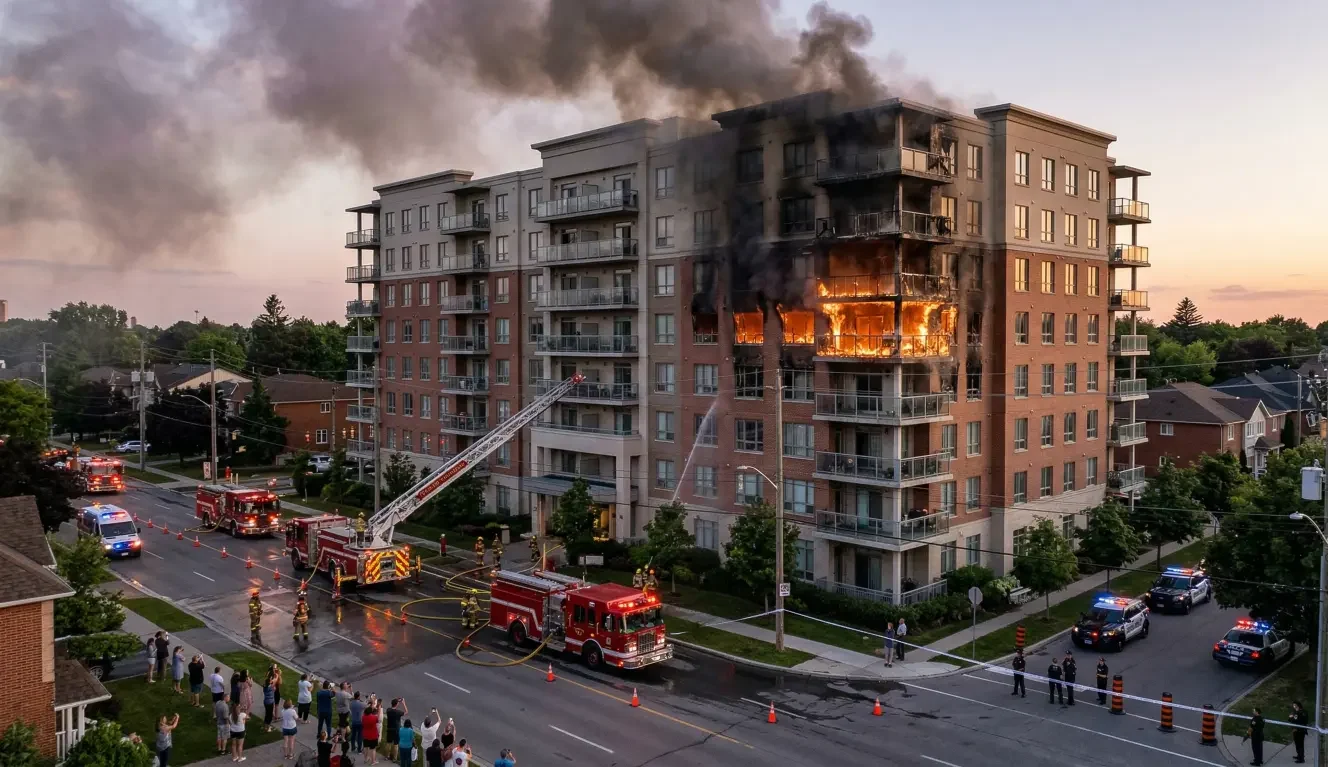
Maybe a storm damages part of the roof. Maybe there is a water loss affecting common areas. Maybe the building faces a liability issue involving a shared walkway, stairwell, or other common element. The HOA sends a notice explaining that a special assessment has been approved, and each owner is responsible for a portion of the cost.
That is when the confusion starts.
A lot of owners reasonably assume that if the damage involves the building, the HOA’s master policy should take care of it. In some cases, that policy may cover part of the loss. But that does not always mean individual owners owe nothing. The HOA may still assess owners for costs that remain after insurance, for a deductible, or for other shared expenses tied to the event.
This is why the phrase “special assessment” gets attention so quickly. It turns an abstract insurance concept into a real bill with a deadline.
Loss assessment coverage matters because it sits in the space many owners do not think about until they are forced to. It is not about the furniture in your unit or the paint on your walls. It is about the possibility that a shared building problem can still become your personal financial problem.
What Loss Assessment Coverage in an HO-6 Policy Actually Means
At a basic level, loss assessment coverage is designed to help with certain shared costs that may be assessed to condo owners by the association. In many HO-6 policies, it appears as part of the condo owner’s coverage package, though the limit and terms can vary.
To understand why it exists, it helps to look at the structure of condo ownership. A condo owner usually owns their unit interest and shares ownership, indirectly or collectively, in common areas through the association structure. The HOA typically carries a master policy for shared property and common exposures. The unit owner typically carries an HO-6 policy for their own condo-related needs.
That sounds neat on paper. In practice, it creates a gap many owners do not fully notice until there is a claim.
The HOA master policy may address certain building-wide losses. Your HO-6 policy may help protect parts of your personal financial exposure tied to condo ownership. Loss assessment coverage is one of the ways the HO-6 policy may respond when the association passes a covered expense down to owners in the form of an assessment.
That does not mean every special assessment is automatically covered. It does not mean every bill from the HOA falls under insurance. It also does not mean all policies handle these situations the same way. But it does mean condo owners should not assume assessments are always entirely outside the insurance conversation.
A useful way to think about it is this:
- The HOA master policy is generally focused on shared building interests and common exposures
- The HO-6 policy is generally focused on the unit owner’s side of the equation
- Loss assessment coverage may help when a covered shared loss ends up being allocated to owners
That is why loss assessment coverage HO-6 provisions can matter so much. They are often less visible than dwelling, personal property, or liability sections, but in the wrong situation, they can become one of the most important parts of the policy.
Why Condo Associations Sometimes Charge Special Assessments
Special assessments are not always a sign that something was handled poorly. Sometimes they happen because the association is dealing with a real expense that exceeds normal budgeting or reserve planning. Other times, they happen because an insured event still leaves part of the cost behind.
Damage to shared property
One common trigger is damage to shared building elements. That could mean storm damage to the roof, a fire affecting common space, structural repairs, water intrusion, or other losses involving parts of the property the association is responsible for maintaining.
Even when the HOA has insurance, there may still be costs that are not fully absorbed by that policy. In some cases, the association may pass part of the expense to owners through a special assessment.
Liability claims involving common areas
Another possible trigger is a liability issue tied to common areas. Imagine someone is injured in a shared hallway, by a pool area, on a sidewalk, or in another association-maintained space. Depending on the facts, the association may face a liability claim or legal expense.
If those costs are shared back to owners, condo owners may start hearing terms they have never had to think about before, including loss assessment coverage and whether their HO-6 policy can help.
Large HOA deductibles after a claim
A deductible is another reason special assessments can happen. Some HOA master policies may include significant deductibles. After a major covered event, the building may still face a large out-of-pocket amount before the policy responds fully.
That is often where condo owners are caught off guard. They think, “The building has insurance, so why am I being billed?” The answer may be that the association’s deductible or uncovered portion still has to be funded somehow.
That does not mean every deductible-related assessment is covered by every HO-6 policy. It means condo owners should understand that deductibles are one of the most practical reasons condo special assessment insurance questions come up.
The Gap Many Condo Owners Don’t Realize Exists
The biggest misconception in this area is simple: if the HOA has insurance, the owners are fully insulated from the cost.
That belief makes intuitive sense, but condo ownership often involves shared responsibility even when insurance exists. The HOA’s coverage and the owner’s coverage are related, but they are not interchangeable.
The gap appears when owners assume the master policy eliminates their personal exposure. In reality, the association may still allocate certain costs across units. When that happens, the owner is no longer dealing with a distant building-level insurance issue. They are dealing with a bill directed at them.
This is the moment where loss assessment coverage stops sounding obscure.
It also helps explain why this issue feels so frustrating. The owner did not ignore insurance entirely. The building had insurance. The owner may have had an HO-6 policy too. Yet there is still a bill, because the layers of responsibility are more complicated than most people expect.
This is also why vague advice is not very helpful. Telling condo owners to “make sure you have coverage” skips the real problem. The real problem is not simply whether insurance exists. It is whether the right kind of coverage exists for the kind of assessment the association may issue.
That is an important distinction.
If you own a condo, it is worth remembering that the HOA master policy and your HO-6 policy are meant to work alongside each other, not replace each other. When there is a mismatch between what the association can assess and what your policy may respond to, that is where surprises happen.
Situations Where Loss Assessment Coverage May Help
It helps to move from abstract definitions into real situations. That is usually where condo owners start to understand why this coverage matters.
One example is a major storm loss. Suppose the building suffers damage to a shared roof or other common element. The HOA files a claim under the master policy, but there is still a large deductible or shared expense left behind. The association approves a special assessment to divide that cost among owners. Depending on the policy terms, loss assessment coverage in the owner’s HO-6 policy may help with that assessed amount.
Another example is damage involving shared structural areas. If the building has a serious loss affecting common areas and the HOA’s insurance does not fully absorb all costs, owners may again face an assessment.
A third example involves liability. If the association faces a covered liability situation involving a common area and costs are distributed across owners, this may be the kind of event that leads owners to ask whether their loss assessment coverage applies.
In each of these examples, the key phrase is may help.
That cautious wording matters. Whether coverage applies depends on the cause of loss, the policy language, the type of assessment, and the actual facts surrounding the event. The existence of a special assessment alone does not settle the question. But it does identify the right section of the policy to review.
This is also why condo owners should not wait for a problem to start learning about the coverage. Once a special assessment notice has already arrived, the conversation becomes more urgent and sometimes more stressful. Before that happens, there is more room to review the policy calmly and ask better questions.
Common Mistakes Condo Owners Make With Loss Assessment Coverage
The most common mistake is assuming HOA insurance covers everything connected to the building. That assumption is understandable, but it often overlooks how shared costs may still be passed down to individual owners.
Another common mistake is never checking whether the HO-6 policy includes loss assessment coverage at all, or what the limit is. Many owners focus on the coverage they recognize immediately, such as personal property or interior damage to their unit. They may not pay much attention to a line item that sounds technical and remote.
A third mistake is underestimating the role of deductibles. Even when the association carries insurance, a large deductible can still result in an owner-facing assessment. That is why HOA deductible assessment HO6 questions come up so often after major claims.
A fourth mistake is failing to review coverage after the association changes something important. For example, the HOA may revise its master policy, adjust deductibles, or communicate reserve issues that increase owner exposure. If the owner’s HO-6 policy is never reviewed alongside those changes, the policy may no longer fit the building’s real risk environment.
Some owners also rely too heavily on neighbor conversations. It is natural to ask other owners what they are hearing or whether their coverage will help. But a neighbor’s confidence is not policy language, and one owner’s situation may not perfectly match another’s.
The broader pattern behind all of these mistakes is the same: condo owners treat loss assessment coverage like a technical extra instead of a practical financial decision. Then an assessment arrives, and the overlooked detail becomes the main issue.
How to Decide If Your Loss Assessment Coverage Limit Is Enough
This is usually the question owners care about most once they understand the concept. Not just “Do I have this coverage?” but “Is the amount enough?”
There is no universal answer that fits every condo building. The right amount depends on the building, the association structure, the master policy, and the level of potential shared exposure. That is why it helps to use a decision framework instead of guessing.
Start with the HOA deductible. If the association carries a large deductible, that alone may shape how much financial responsibility could be passed to owners after a claim. An owner who has never reviewed the deductible amount may be making decisions with only half the picture.
Next, think about the size and structure of the building. A smaller building may divide certain costs among fewer owners. A larger building may spread costs differently. The point is not that one is always better than the other. The point is that the number of units can affect how assessments are allocated.
Then consider the building’s age and maintenance profile. Older buildings or properties with ongoing repair issues may create more reason to review how the association handles major costs. Again, that does not mean older buildings are automatically riskier in every case. It means maintenance realities are part of the context.
It is also worth reviewing how often the HOA has discussed reserves, capital projects, insurance renewals, or deductible changes. A condo owner does not need to become an association expert, but basic awareness can help make the HO-6 coverage decision more grounded.
A useful way to approach the question is:
- What kinds of assessments has the HOA discussed or issued in the past?
- What is the current deductible under the master policy?
- How are special assessments allocated among owners?
- What is the current loss assessment coverage limit in the HO-6 policy?
- Does that limit still feel reasonable in light of the building’s actual setup?
The goal is not to chase a perfect number. The goal is to avoid choosing a limit blindly.
If your HOA recently announced a special assessment—or you want to be prepared before the next one—it may be worth reviewing your condo insurance coverage. Loss assessment limits can vary, and many owners are surprised by how they work. The team at Miles Jackson Insurance can help you review your HO-6 policy and see whether your coverage fits your building’s risk and HOA structure.
What to Review in Your HOA Documents and HO-6 Policy
When condo owners feel uncertain about loss assessment coverage, the best next step is usually not more guesswork. It is a document review.
Start with the HOA side.
Look for the master policy summary, if available. You want to understand the broad structure of what the association insures, even if you are not reading every page like an attorney or adjuster. Pay close attention to whether the HOA communicates its deductible, any major exclusions, and how owner responsibilities are described after a loss.
Then review the association’s governing documents or owner communications for language around special assessments. Some associations are very clear about how assessments are approved and allocated. Others may require a closer read. Either way, this helps you understand how financial responsibility can move from the building level to the owner level.
Next, review your HO-6 policy.
Find the section that references loss assessment coverage and note the current limit. If the wording is not clear, that is not a sign of failure on your part. Insurance documents often need interpretation in plain language.
Also review the broader context of the policy. If the association’s insurance approach has changed since you first bought the condo, or if the building has taken on new maintenance issues, your original HO-6 setup may deserve a fresh look.
A good review checklist includes:
- HOA master policy summary
- HOA deductible amount
- Any recent owner notices about assessments or major repairs
- Rules around how assessments are allocated
- Your HO-6 loss assessment coverage limit
- Any endorsements or policy changes that affect condo-related coverage
This is also where local guidance can be helpful. For owners in Georgia or Alabama, an agent licensed in those states may be able to walk through the practical relationship between the HOA structure and the HO-6 policy in a way that is easier to understand than reading the paperwork alone.
Getting Clarity Before the Next HOA Assessment Happens
The best time to understand loss assessment coverage is before the next surprise email arrives.
That matters because once an HOA announces a special assessment, the conversation becomes more emotionally loaded. Owners are worried about cost, deadlines, and whether they missed something important earlier. A calmer, earlier review gives you a better chance to make a thoughtful decision.
If you own a condo, it is worth asking a few simple questions now:
- Do I know whether my HO-6 policy includes loss assessment coverage?
- Do I know the current limit?
- Have I reviewed that limit in light of the HOA’s deductible and building setup?
- Do I understand the difference between the HOA master policy and my own condo policy?
Those questions are more valuable than broad reassurance. They move you from “I think I’m covered” to “I understand what this part of my policy is there to do.”
That shift matters. Condo insurance is easiest to live with when it is clear. And loss assessment coverage, while often overlooked, is one of the clearest examples of how an apparently minor line item can matter a great deal when a shared building problem becomes an owner bill.
If you have recently received notice of a special assessment, or you simply want to review your condo policy before the next one happens, taking a closer look now is a practical step.
A quick coverage review does not need to feel like a sales conversation. It can simply be a way to understand how your HO-6 policy fits the reality of your building. For condo owners who want local guidance, Miles Jackson Insurance can help review the details and talk through whether the current coverage still makes sense.
What is loss assessment coverage condo insurance may include?
Loss assessment coverage is a part of many HO-6 condo policies that may help when an HOA assesses owners for certain shared costs tied to a covered loss. It is designed for situations where a building-level expense is passed down to individual owners. The exact terms and limits can vary by policy.
Do I need loss assessment coverage HO6 insurance offers?
Many condo owners find it worth reviewing because HOA special assessments can happen after major property damage, liability issues, or large deductibles. Whether you need more coverage depends on your building, your HOA’s insurance structure, and your current policy terms. The right decision is usually based on how much shared exposure your condo setup creates.
Does condo special assessment insurance cover every HOA bill?
No. A special assessment from the HOA is not automatically covered just because it exists. Whether insurance may help depends on the reason for the assessment, the policy language, and the facts of the event. That is why it is important to review the assessment notice and the HO-6 policy together.
Can HO6 special assessment coverage help with an HOA deductible assessment?
It may, depending on the policy terms and the nature of the claim. Some condo owners first look into this coverage after learning that the association’s deductible created an owner assessment. This is one of the most practical reasons to review both the HOA master policy and your HO-6 limit.
How do I know if my loss assessment coverage limit is enough?
The best starting point is to compare your current limit with the building’s real context. Review the HOA deductible, how costs are allocated among owners, the number of units, and any recent assessment history or building concerns. A policy review with an agent can help turn that information into a more informed decision.
What documents should I review after my HOA announces a special assessment?
Start with the HOA notice itself, the master policy summary if available, any deductible information, and your own HO-6 policy. Look specifically for how the assessment is described and what your current loss assessment coverage limit is. That combination usually gives you the clearest starting point for next steps.
If your HOA recently announced a special assessment—or you want to be prepared before the next one—it may be worth reviewing your condo insurance coverage. Loss assessment limits can vary, and many owners are surprised by how they work.
The team at Miles Jackson Insurance can help you review your HO-6 policy and see whether your coverage fits your building’s risk and HOA structure.
RELATED LINKS:
National Association of Insurance Commissioners (NAIC) – Condo Insurance Guide